
The decisions behind a development begin long before the building becomes visible.
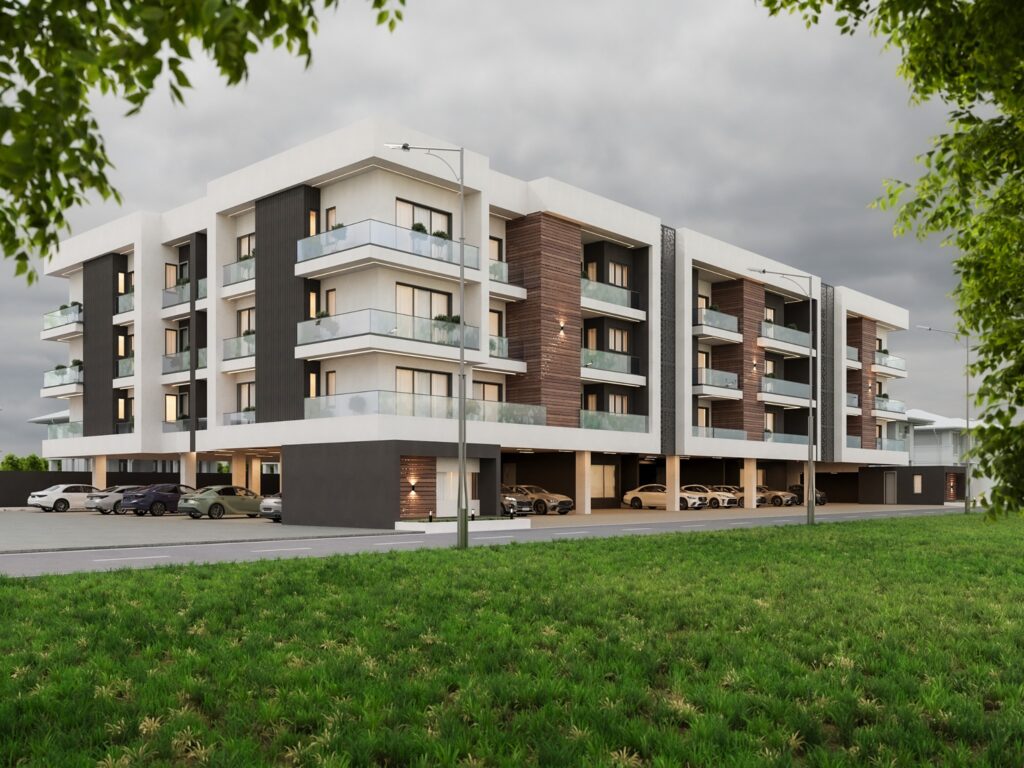
The decisions behind a development begin long before the building becomes visible.
Opportunity → Delivery
Before we ask what a building should look like, we ask whether the development itself makes sense. Location, purpose, structure, design, capital, construction and delivery belong in the same conversation — because a weakness in any one of them eventually shows up in the home someone buys.
What thinking like an investor changes
- Location first. We look for neighbourhoods on the Lekki axis where the kind of home we build fits how people there want to live and rent.
- Purpose and mix. We decide who each home is for before we draw it. EICL Close, for example, is 29 apartments — 12 one-bedroom, 8 two-bedroom and 9 three-bedroom — each type planned for a different stage of life.
- Space you can measure. We publish room areas and plans rather than adjectives, so buyers can compare homes on substance.
- Capital that follows progress. Payments are tied to construction milestones. At Crescent that means 40% initially, then 30% at roofing and carcass and 30% at finishing and handover; at Close’s investor stage it is 20%, 50% and 30%.
- Evidence as we build. We show dated construction photographs next to the renders, so progress can be checked rather than assumed.
Two developments, two stages
EICL Crescent in Alpha Beach is selling off-plan and under construction, with 24 one- and two-bedroom residences and a June 2027 handover target. EICL Close in Igbo-Efon is at its investor-funding stage, with a pool, clubhouse, three elevators and a June 2028 handover target.
Different stages call for different decisions. That is exactly why we treat each development as an investment first, and a building second.
Related insights
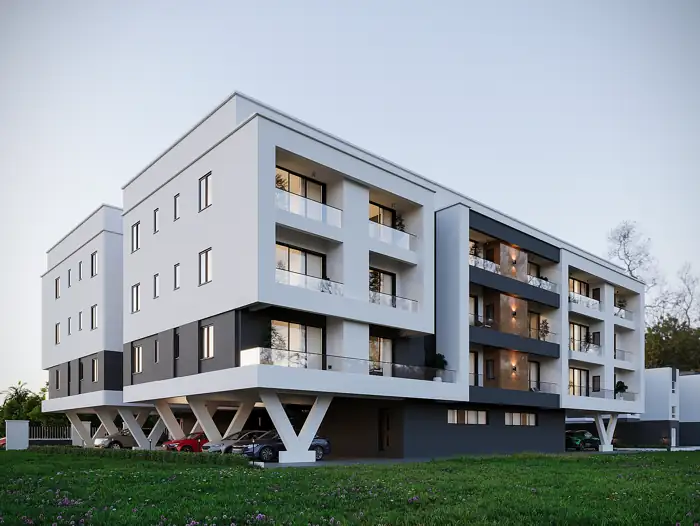
Beyond the Render: Why We Show the Construction Journey
The thinking behind a visible, documented development record.
26 September 2026
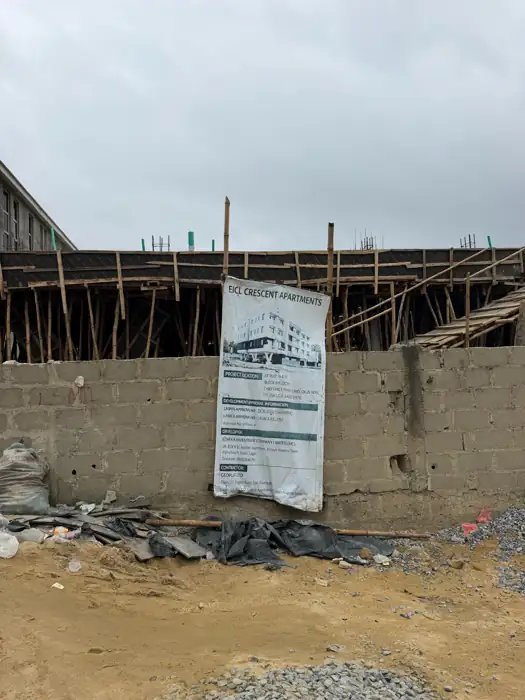
EICL Crescent — Building Upwards
A visual record of Crescent’s construction journey.
26 September 2026

Why Apartment Size Still Matters
Square metres tell you how large an apartment is. They don’t always tell you how well that space will live.
26 September 2026